Backpacking Food Ideas for Long-Distance Hikes: Delicious and Nutritious Options for Your Adventure
Backpacking Food Ideas for Long-Distance Hikes
Backpacking food ideas for long-distance hikes – When embarking on a long-distance hike, it is crucial to pack lightweight yet nutritious food options to sustain your energy levels throughout the journey. Dehydrated meals are a popular choice among backpackers due to their convenience and long shelf life.
Popular Dehydrated Meal Options
- Dehydrated pasta dishes
- Freeze-dried fruits and vegetables
- Instant soups and stews
- Dehydrated beans and rice mixes
Creating Lightweight Nutritious Meal Plans
- Opt for dehydrated or freeze-dried meals to reduce weight
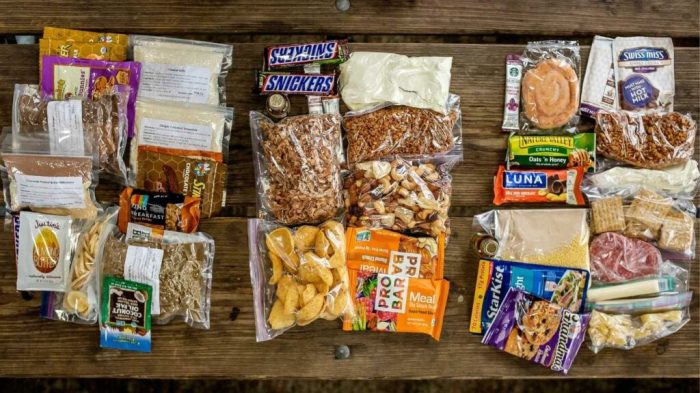
- Incorporate high-protein options like nuts, seeds, and jerky
- Pack compact snacks like energy bars and trail mix
- Include instant coffee or tea for a quick energy boost
Importance of High-Calorie Snacks
- High-calorie snacks provide sustained energy during long hikes
- Choose snacks with a good balance of fats, proteins, and carbohydrates
- Trail mix, nut butter packets, and granola bars are excellent options
Balance of Weight, Nutrition, and Taste
- Consider the weight-to-calorie ratio of each food item
- Prioritize nutrient-dense foods like whole grains, nuts, and dried fruits
- Experiment with different seasonings and condiments to enhance flavor
- Plan meals that are easy to prepare and require minimal cooking equipment
Travel Tips: Backpacking Food Ideas For Long-distance Hikes
When embarking on long-distance hikes, it is crucial to pack food efficiently to ensure you have enough sustenance for the journey. Proper planning and organization can make a significant difference in your overall hiking experience.
Packing Food Efficiently
- Opt for lightweight, compact food items that are easy to carry in your backpack.
- Consider pre-packaged meals or dehydrated foods to save space and weight.
- Use resealable bags or containers to portion out your food and prevent spillage.
Preserving Food Freshness
- Store perishable items in insulated containers or cooler bags to maintain freshness.
- Avoid exposing food to direct sunlight or extreme temperatures to prevent spoilage.
- Pack snacks like nuts, dried fruits, and jerky that have a longer shelf life.
Meal Timing and Portion Control
- Plan your meals strategically to refuel at key points during your hike, such as before steep ascents or challenging terrains.
- Avoid overeating to prevent digestive issues and fatigue while on the trail.
- Divide your food into smaller portions to consume throughout the day and maintain energy levels.
Staying Hydrated and Maintaining Energy Levels
- Carry a reusable water bottle or hydration pack to drink water regularly and stay hydrated.
- Include electrolyte-rich drinks or snacks to replenish lost nutrients and prevent dehydration.
- Snack on high-energy foods like granola bars, trail mix, and energy gels to sustain your energy levels during the hike.
Travel Itinerary
When embarking on a long-distance backpacking trip, having a well-thought-out travel itinerary can make a significant difference in the overall experience. Planning meals along the journey is a crucial aspect that requires careful consideration to ensure sustenance and energy throughout the hike.
Meal prep before the trip and adapting food choices based on the duration of the hike are key factors that can impact the success of the adventure.
Sample Itinerary for a Long-Distance Backpacking Trip
- Day 1: Start the hike early in the morning and cover a moderate distance to set up camp by late afternoon. Enjoy a hearty dinner consisting of dehydrated meals or easy-to-cook options.
- Day 2: Continue the journey through challenging terrains and reach a designated camping spot for the night. Prepare a nutritious meal using lightweight ingredients such as instant noodles or trail mix.
- Day 3: Trek to a picturesque summit or landmark and celebrate with a well-deserved meal at the peak. Opt for high-energy snacks like protein bars or nut mixes to keep you fueled throughout the day.
Key Points to Consider When Planning Meals Along the Journey
- Ensure a balance of carbohydrates, protein, and fats in each meal to sustain energy levels.
- Pack lightweight and compact food items that are easy to carry and require minimal preparation.
- Plan meals that can be cooked with limited resources, such as a portable stove or campfire.
- Include a variety of flavors and textures to prevent food fatigue during the trip.
Importance of Meal Prep Before Embarking on a Hiking Trip
- Prepping meals in advance helps save time and effort during the journey, allowing you to focus on enjoying the outdoors.
- By portioning and packaging meals ahead of time, you can control food portions and avoid carrying excess weight.
- Meal prep ensures that you have a sufficient supply of food for the entire trip, reducing the risk of running out of provisions.
Adapting Food Choices Based on the Duration of the Hike
- For shorter hikes, opt for fresh food items like fruits and sandwiches that can be consumed within a day.
- Longer hikes require more shelf-stable options such as dehydrated meals, energy bars, and freeze-dried snacks for extended periods without refrigeration.
- Consider the intensity of the hike and the caloric needs of each day to determine the appropriate food choices for sustained energy levels.
Beach Resorts
Beach resorts offer a variety of food options for hikers looking to refuel after a long day of trekking. From fresh seafood to tropical fruits, there are plenty of choices to satisfy your hunger and replenish your energy levels.
Types of Food Options Available
At beach resorts, hikers can enjoy a wide range of food options, including:
- Fresh seafood dishes such as grilled fish, shrimp cocktails, and seafood pasta
- Tropical fruits like mangoes, pineapples, and papayas for a refreshing snack
- Healthy salads with locally sourced ingredients for a light and nutritious meal
- Freshly squeezed juices and smoothies to stay hydrated and replenish essential vitamins
Benefits of Consuming Seafood
Seafood is a great choice for hikers looking to replenish nutrients after a hike due to its:
- High protein content to aid in muscle recovery and repair
- Omega-3 fatty acids for reducing inflammation and supporting heart health
- Essential vitamins and minerals like vitamin D, zinc, and iron for overall well-being
Tips for Selecting Healthy Food Options
When dining at beach resort restaurants, consider the following tips to make healthier choices:
- Opt for grilled or steamed dishes instead of fried or breaded options
- Choose dishes with plenty of vegetables and lean protein sources
- Avoid heavy cream-based sauces and opt for lighter dressings or marinades
- Ask for sauces and dressings on the side to control portion sizes
Suggestions for Packing Snacks
Before heading to the beach for a relaxing break, pack these snacks to keep you fueled and satisfied:
- Trail mix with nuts, seeds, and dried fruits for a quick energy boost
- Granola bars or protein bars for a convenient and filling snack
- Sliced fruits like apples, oranges, or berries for a refreshing and hydrating treat
- Rice cakes or whole grain crackers with hummus or nut butter for a balanced snack
Cultural Tours
When embarking on cultural tours during your backpacking adventures, exploring different cultures can have a significant impact on your food choices. Whether you are in Asia, Europe, Africa, or any other continent, local cuisine often plays a crucial role in the overall experience.
Influence of Different Cultures on Backpacking Food Choices
One of the most exciting aspects of cultural tours is trying out the local cuisine. Each culture has its unique flavors, ingredients, and cooking techniques that can add a new dimension to your backpacking food ideas. From spicy curries in India to savory pastries in France, there is a world of culinary delights waiting to be explored.
Significance of Trying Local Cuisine
Sampling local dishes is not just about satisfying your hunger; it’s also a way to connect with the culture and traditions of the destination you are visiting. Food is a universal language that can help you better understand the history, values, and lifestyle of the local people.
Adapting Backpacking Food Ideas to Align with Cultural Experiences
While it’s essential to pack your favorite snacks and meals for long-distance hikes, don’t miss out on the opportunity to incorporate local flavors into your backpacking food repertoire. Consider adding a few authentic dishes or ingredients from the region you are exploring to enhance your culinary experience.
Respecting Food Customs and Traditions
When trying local cuisine during cultural tours, it’s crucial to respect the food customs and traditions of the community. Be open-minded, ask questions, and follow any etiquette or guidelines provided by locals to ensure you are honoring their culinary heritage.
Cruise Vacations
Planning and packing food for hikes during shore excursions on a cruise can be a bit challenging but crucial for hikers looking to explore new destinations. It’s essential to have portable and non-perishable food items that can sustain you throughout the day.
This ensures that you have the energy you need to enjoy your hike without worrying about finding food options on the go.
Importance of Portable and Non-Perishable Food Items
When going on a cruise vacation, having portable and non-perishable food items is essential for hikers. These items are easy to carry, require no refrigeration, and can be consumed on the go. Some great options include granola bars, trail mix, dried fruits, nuts, and jerky.
These items provide a quick energy boost and can keep you fueled during your shore excursions.
Navigating Food Options on a Cruise Ship
While on a cruise ship, it’s important to know where to find food that suits your hiking needs. Most cruise ships offer a variety of dining options, including buffet restaurants, specialty dining venues, and room service. Look for options that offer fresh fruits, vegetables, lean proteins, and whole grains.
You can also pack some of your own snacks to supplement your meals and ensure you have healthy options available.
Creating a Balanced Meal Plan
To create a balanced meal plan while on a cruise vacation, focus on incorporating a variety of foods from different food groups. Start your day with a hearty breakfast that includes protein, carbohydrates, and healthy fats. For lunch and dinner, aim to fill half your plate with vegetables, a quarter with lean protein, and a quarter with whole grains.
Snack on fruits, nuts, or yogurt between meals to keep your energy levels up.
Backpacking Trips
When embarking on a multi-day backpacking trip, it is crucial to pack essential food items that are lightweight, compact, and nutritious to sustain you throughout the journey. Additionally, meal prepping and cooking methods play a significant role in ensuring you have the energy needed to tackle the trails.
Here are some tips and ideas to help you plan your backpacking menu effectively.
Essential Food Items for Backpacking Trips, Backpacking food ideas for long-distance hikes
- Dehydrated meals: Lightweight and easy to prepare, dehydrated meals are a popular choice among backpackers. They come in a variety of flavors and can be rehydrated with hot water.
- Trail mix: A mix of nuts, dried fruits, and chocolate provides a quick energy boost on the go.
- Instant oatmeal packets: A simple and filling breakfast option that only requires hot water.
Benefits of Compact and Lightweight Food Packaging
- Reduces overall pack weight, making it easier to carry your supplies over long distances.
- Maximizes space in your backpack, allowing you to pack more essential items without sacrificing food provisions.
- Helps maintain the freshness and quality of the food, ensuring you have nutritious meals throughout your journey.
Meal Prepping and Cooking Methods for Backpacking Trips
- Pre-portion your meals into individual servings to avoid carrying excess weight.
- Opt for simple cooking equipment such as a lightweight stove or portable cookware to prepare hot meals on the trail.
- Consider cold soaking meals that require minimal preparation and can be enjoyed without the need for cooking.
Creating a Diverse and Nutritious Menu for Extended Hikes
- Incorporate a mix of carbohydrates, proteins, and fats to fuel your body for long days of hiking.
- Include a variety of flavors and textures to keep your meals interesting and satisfying.
- Plan for snacks and treats to boost morale and provide quick energy when needed.
City Breaks
When exploring urban hiking trails during city breaks, it’s essential to consider food options that are convenient, quick, and energizing. Whether you’re wandering through bustling streets or taking in the sights of a new city, having the right snacks on hand can make your experience more enjoyable.
Exploring Local Markets
One of the best ways to experience the local culture and cuisine during a city break is by visiting local markets. These vibrant hubs are often filled with fresh produce, artisanal goods, and street food vendors offering a taste of authentic local flavors.
Take the time to wander through the stalls, sample different foods, and immerse yourself in the bustling atmosphere.
- Look for fresh fruits, nuts, and local snacks that you can easily pack and carry with you on your city exploration.
- Try traditional dishes or street food from vendors for a quick and satisfying meal on the go.
- Engage with locals to get recommendations on must-try foods and hidden culinary gems in the city.
Balancing Restaurant Meals
While indulging in restaurant meals is a great way to experience the culinary scene of a city, it’s also important to balance these indulgences with healthier options. Packing snacks like granola bars, trail mix, or energy bars can help you stay fueled between meals and avoid overeating.
- Opt for lighter meals at restaurants, such as salads or grilled dishes, to balance out heavier meals throughout the day.
- Plan your meals ahead of time to ensure you’re getting a good mix of nutrients and flavors during your city break.
- Don’t forget to stay hydrated by carrying a reusable water bottle and refilling it at local fountains or cafes along your route.
Travel Blogs
Travel blogs play a crucial role in inspiring backpackers with innovative food ideas for their hikes. These platforms offer a space for travelers to share their unique culinary experiences while trekking through different terrains and environments. By showcasing diverse backpacking food options, travel bloggers can offer valuable insights and recommendations to their audience, helping them plan and prepare for their own adventures.
Role of Travel Blogs in Inspiring Backpackers
Travel bloggers use their platforms to document their backpacking journeys and highlight the local cuisine and food traditions they encounter along the way. By sharing their food experiences, they can inspire other backpackers to step out of their comfort zones and try new dishes while exploring nature.
Through vivid descriptions and captivating photographs, travel blogs create a sense of wanderlust and curiosity, motivating readers to embark on their own culinary adventures.
Unique Backpacking Food Experiences
Travel bloggers often focus on showcasing unique and unconventional backpacking food experiences that go beyond the standard trail mix and dehydrated meals. They may feature local street food, traditional dishes prepared by indigenous communities, or innovative recipes using minimal ingredients.
By highlighting these unconventional food options, bloggers can introduce their audience to new flavors and cooking techniques, encouraging them to experiment with their own trail menus.
Tips for Creating Engaging Content
- Share personal anecdotes and stories related to your food experiences on the trail.
- Include detailed recipes and cooking tips for backpack-friendly meals.
- Incorporate travel tips and recommendations for sourcing ingredients while on the road.
- Utilize a mix of visuals, such as photos and videos, to enhance the storytelling and appeal of your content.
- Engage with your audience by inviting them to share their own backpacking food ideas and experiences in the comments section.
Importance of Visuals and Descriptive Storytelling
Visuals play a crucial role in enticing readers and conveying the essence of backpacking food experiences. High-quality photographs of mouth-watering dishes and scenic landscapes can capture the imagination of the audience and evoke a sense of adventure. Additionally, descriptive storytelling that delves into the sights, sounds, and flavors of each culinary encounter can transport readers to the heart of the experience, making them feel like they are right there with the blogger on the trail.
Travel Essentials
Traveling on a backpacking trip requires careful planning, especially when it comes to essential food items and equipment. Proper preparation can make a significant difference in your overall experience and enjoyment of the journey.
Essential Food Items for Backpacking Trip Packing Checklist
- Dehydrated meals: Lightweight and easy to prepare, dehydrated meals are a convenient option for backpacking trips.
- Trail mix: A mix of nuts, dried fruits, and seeds provides a quick and energy-boosting snack on the trail.
- Instant oatmeal: A hearty and filling breakfast option that only requires hot water to prepare.
- Energy bars: Compact and packed with nutrients, energy bars are great for quick bites on the go.
- Instant coffee or tea bags: A comforting hot beverage to kickstart your mornings or warm up on chilly evenings.
Portable Cooking Equipment for Outdoor Meal Preparation
- Camp stove: A lightweight and portable stove allows you to cook hot meals on the trail.
- Cooking pot or pan: Opt for compact and durable cookware that can withstand outdoor conditions.
- Collapsible utensils: Save space in your backpack with collapsible utensils for cooking and eating.
- Portable water filter: Ensure access to safe drinking water by carrying a portable water filter or purification tablets.
Importance of Proper Food Storage to Prevent Spoilage During Hikes
Proper food storage is crucial to prevent spoilage and foodborne illnesses while on a backpacking trip. Keep perishable items in insulated containers or cooler bags to maintain freshness. Store food away from direct sunlight and follow food safety guidelines to ensure your meals remain safe to eat.
Tips on Selecting Durable and Functional Food Containers for Backpacking Trips
- Opt for lightweight and leak-proof containers to avoid spills and mess in your backpack.
- Choose stackable containers to maximize space and organize your food items efficiently.
- Select BPA-free and food-grade containers to ensure the safety of your stored food.
- Consider multi-purpose containers that can be used for both storage and eating to minimize the number of items you need to carry.
Travel Photography
Capturing food moments during long-distance hikes for travel photography can add a unique dimension to your backpacking experiences. Food photography plays a significant role in documenting the culinary aspect of your journey, showcasing the local flavors and ingredients you encounter along the way.
By incorporating food photography into your travel blog or social media platform, you can share not only the taste but also the visual appeal of the meals you enjoy during your adventures.
Tips for Food Photography on Backpacking Trips
- Lighting: Make use of natural light whenever possible to enhance the colors and textures of your food. Avoid harsh overhead sunlight and opt for soft, diffused light for a more flattering look.
- Composition: Experiment with different angles, perspectives, and framing to create visually appealing shots. Consider including elements of the surrounding environment to add context to your food photos.
- Styling: Pay attention to the presentation of your meals, arranging them neatly on a plate or in a natural setting to enhance their aesthetic appeal. Incorporate props like utensils, napkins, or local decor to add interest to your compositions.
Integrating Food Photography into Your Travel Blog
- Use food photography to tell a story about the culinary experiences you have during your travels. Share insights into local cuisines, traditional dishes, and unique ingredients that you encounter along the way.
- Engage your audience by sharing behind-the-scenes shots of food preparation, cooking processes, or interactions with local chefs and vendors. These candid moments can add authenticity and depth to your travel blog content.
- Create themed food photography series based on different regions, countries, or cultural influences to showcase the diversity of flavors and culinary traditions you explore during your backpacking trips.
FAQ Corner
How can I ensure my food stays fresh during long-distance hikes?
Consider using airtight containers and vacuum-sealed bags to preserve the freshness of your food items. Opt for dehydrated or freeze-dried meals for longer shelf life.
What are some lightweight yet nutritious meal options for backpacking?
You can pack items like nuts, seeds, dried fruits, jerky, instant oatmeal, and energy bars for a quick and nourishing meal on the trail.
How important is meal timing and portion control during hikes?
Meal timing can impact your energy levels, so it’s essential to eat balanced meals at regular intervals. Portion control helps prevent overeating and ensures you have enough fuel for your hike.