Portrait photography in cultural settings: Capturing Diversity Through Lenses
Introduction to Portrait Photography in Cultural Settings
Portrait photography in cultural settings involves capturing individuals within the context of their cultural background, traditions, and beliefs. It aims to showcase the diversity and richness of different cultures through the lens of a camera.The importance of capturing portraits in diverse cultural environments lies in preserving the unique identity of each culture.
By documenting people in their traditional attire, rituals, or everyday life, photographers can help in promoting cultural understanding and appreciation.Cultural backgrounds play a significant role in portrait photography as they influence the way individuals present themselves in front of the camera.
Beliefs, customs, and social norms all shape how people express themselves, allowing photographers to capture authentic and meaningful portraits that reflect the essence of a particular culture.
Tips for Capturing Authentic Cultural Portraits: Portrait Photography In Cultural Settings
Building a connection with your subjects is crucial when capturing authentic cultural portraits. It involves understanding and respecting their traditions, beliefs, and way of life. Here are some tips to help you create meaningful and respectful portraits in different cultural settings.
Techniques for Building Rapport with Subjects
- Take the time to introduce yourself and explain the purpose of the photoshoot.
- Show genuine interest in the culture and background of your subjects.
- Engage in conversation and listen actively to their stories and experiences.
- Respect personal boundaries and ask for permission before taking photos.
- Show appreciation and gratitude for their willingness to participate in the photoshoot.
Respecting Cultural Norms and Traditions
- Research and understand the cultural practices and taboos of the community.
- Seek permission from local authorities or community leaders before conducting a photoshoot.
- Avoid directing your subjects to pose in a way that goes against their cultural beliefs.
- Be mindful of clothing choices and ensure they align with cultural norms.
- Communicate openly and honestly with your subjects to ensure mutual understanding and respect.
Significance of Natural Lighting and Backgrounds
When capturing cultural portraits, natural lighting plays a crucial role in enhancing the authenticity of the images. Opt for soft, diffused lighting that highlights the features of your subjects without casting harsh shadows. Additionally, choose backgrounds that complement the cultural context and add depth to the portraits.
Whether it’s a vibrant local market or a serene natural landscape, the background can enrich the storytelling aspect of your photos.
Cultural Sensitivity in Portrait Photography
When engaging in portrait photography in cultural settings, it is crucial to approach the process with cultural sensitivity and respect for the individuals involved. This involves understanding and acknowledging the ethical considerations that come into play when photographing people from diverse cultural backgrounds.
Obtaining Consent and Respecting Privacy
One of the most important aspects of cultural sensitivity in portrait photography is obtaining consent from the individuals being photographed. It is essential to respect their privacy and ensure that they are comfortable with having their portraits taken. This involves clearly explaining the purpose of the photoshoot and how the images will be used.
Representing Cultural Diversity Respectfully
When capturing portraits in cultural settings, it is essential to represent the cultural diversity of the subjects respectfully. This involves avoiding stereotypes and clichés, and instead, focusing on capturing the unique essence and beauty of each individual’s cultural background. By showcasing the diversity and richness of different cultures through photography, we can promote understanding and appreciation for cultural differences.
Showcasing Cultural Identity through Portraits
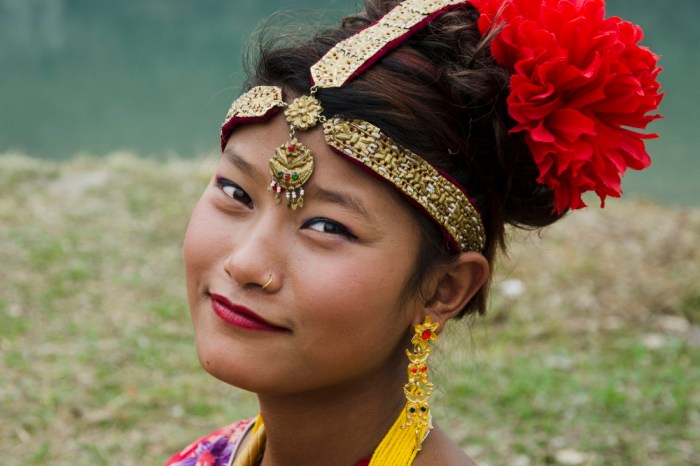
Portraits have the power to convey a person’s cultural heritage and identity in a visually compelling way. Through the use of clothing, accessories, poses, facial expressions, and body language, cultural nuances can be effectively communicated and celebrated.
Clothing and Accessories
In portraits, traditional or culturally significant clothing and accessories play a crucial role in showcasing a person’s cultural identity. For example, a kimono in Japanese culture, a saree in Indian culture, or colorful beads in African culture can instantly convey the cultural background of the individual.
Poses
The poses adopted by the subject in a portrait can also reflect cultural identity. For instance, a traditional dance pose, a gesture symbolizing respect, or a stance representing strength can all communicate cultural values and traditions through body language.
Facial Expressions and Body Language
Facial expressions and body language are key elements in conveying cultural nuances in portraits. A smile, a serious expression, or a gaze directed towards the camera can all carry cultural meanings and emotions specific to a particular culture. The way a person carries themselves in a portrait can speak volumes about their cultural background and identity.
Equipment and Techniques for Cultural Portrait Photography
When capturing portraits in various cultural settings, having the right equipment and mastering key techniques can make a significant difference in the quality of your photographs. Additionally, post-processing plays a crucial role in enhancing the cultural elements present in the portraits.
Essential Camera Gear and Accessories
- Camera Body: Choose a camera body that offers high resolution and good low-light performance to capture the intricate details and colors in cultural attire.
- Lenses: Invest in prime lenses with wide apertures for beautiful bokeh and sharp subject focus. Zoom lenses can also be versatile for capturing different perspectives.
- Tripod: A sturdy tripod is essential for stability, especially in low-light conditions or when shooting long exposure portraits.
- External Flash: Consider using an external flash for added lighting control and to fill in shadows in outdoor or indoor settings.
- Reflectors: Reflectors can help bounce and soften light, illuminating the subject’s face and reducing harsh shadows.
Techniques for Framing, Composition, and Perspective
- Framing: Pay attention to the background and surroundings to ensure they complement the cultural theme without distracting from the main subject.
- Composition: Experiment with different compositions such as the rule of thirds, leading lines, and symmetry to create visually appealing portraits.
- Perspective: Explore shooting from different angles – eye level, high angle, low angle – to capture unique perspectives and convey cultural nuances.
Tips for Post-Processing
- Color Correction: Adjust the color balance to accurately represent the vibrant hues of cultural clothing and accessories.
- Contrast and Clarity: Enhance contrast and clarity to bring out the intricate patterns and textures present in the portraits.
- Cultural Elements: Use post-processing tools to highlight specific cultural elements like jewelry, body art, or traditional motifs for a more immersive experience.
Challenges and Solutions in Cultural Portrait Photography
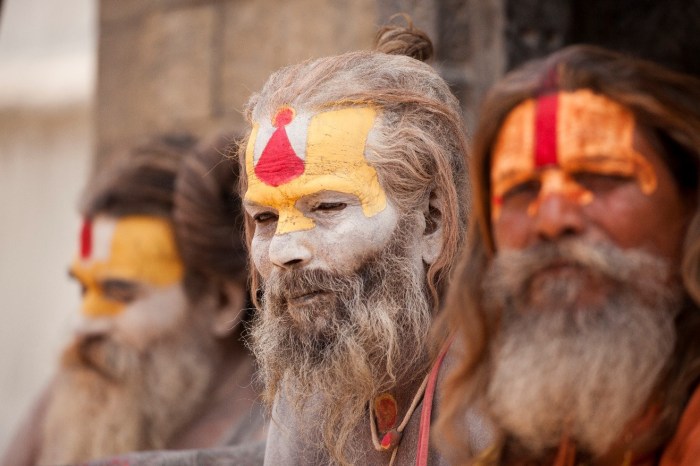
When photographing portraits in unfamiliar cultural settings, photographers often face a range of challenges that can impact the quality and authenticity of the images captured. These challenges can include language barriers, cultural differences, and unexpected situations that may arise during a photoshoot.
It is essential for photographers to be prepared to overcome these challenges in order to create meaningful and respectful cultural portraits.
Language Barriers, Portrait photography in cultural settings
Language barriers can present a significant challenge when working in a different cultural setting. Communication is key to establishing rapport with your subjects and capturing authentic portraits. To overcome language barriers, consider working with a local guide or interpreter who can help facilitate communication during the photoshoot.
Additionally, learning basic phrases in the local language can also help establish a connection with your subjects and create a more comfortable environment for the photoshoot.
Cultural Differences
Cultural differences can impact the way in which portraits are perceived and received in different settings. It is important for photographers to research and understand the cultural norms and customs of the community they are photographing in order to ensure that their work is respectful and culturally sensitive.
By being aware of cultural differences, photographers can adapt their approach and create portraits that honor and celebrate the cultural identity of their subjects.
Adapting to Unexpected Situations
During a photoshoot in a cultural setting, unexpected situations may arise that require quick thinking and adaptability. It is important for photographers to remain flexible and open to changes in the environment or circumstances. By staying calm and responsive, photographers can navigate unexpected situations with grace and continue to capture meaningful and authentic cultural portraits.
Cultural Sensitivity and Representation in Travel Photography
Travel photography is a powerful medium that can shape perceptions and understanding of different cultures. It is crucial for photographers to approach their work with cultural sensitivity and respect to ensure accurate and authentic representation.
Intersection of Cultural Sensitivity and Representation
When capturing images in diverse cultural settings, photographers must be mindful of the context, traditions, and values of the communities they are photographing. It is essential to avoid perpetuating stereotypes or misinterpretations that can distort the true essence of a culture.
Avoiding Stereotypes in Photography
- Avoid portraying individuals in a way that reinforces stereotypes or misconceptions about their culture.
- Take the time to learn about the cultural norms and practices of the community before taking photographs.
- Focus on capturing the unique and authentic aspects of a culture, rather than resorting to clichés or overused tropes.
Examples of Respectful Travel Photographers
- Steve McCurry: Known for his iconic portraits that capture the humanity and diversity of cultures around the world.
- Lisa Kristine: Dedicated to documenting indigenous cultures with respect and dignity, showcasing their beauty and strength.
- Jimmy Nelson: Celebrates the richness of cultural diversity through his visually stunning portraits of indigenous communities.
Essential FAQs
How can I ensure cultural sensitivity in portrait photography?
Respect cultural norms, seek consent, and represent diversity authentically through your images.
What equipment is essential for cultural portrait photography?
A good camera, natural lighting sources, and an understanding of framing and composition techniques are crucial.
How can I overcome language barriers during a cultural photoshoot?
Consider hiring a local interpreter or guide to facilitate communication with your subjects.